Home loan programs for healthcare workers may include medical professional mortgages, employer housing benefits, local down payment assistance, and conventional or government-backed loans. There is no single nationwide mortgage program that automatically provides the same benefits to every nurse, physician, therapist, technician, pharmacist, or hospital employee.
The right option depends on your occupation, income history, student loan obligations, credit profile, available savings, military eligibility, property location, and homeownership goals. A specialized healthcare workers home loan program may help in some situations, but it should always be compared with standard mortgage alternatives.
Key Takeaways Healthcare employment alone does not create automatic eligibility for a special federal mortgage. Medical professional mortgages are lender-specific and may be limited to physicians, dentists, advanced-practice providers, or other designated occupations. Eligible emergency medical technicians may qualify for HUD’s Good Neighbor Next Door program. FHA, VA, USDA, HomeReady®, and Home Possible® are not healthcare-specific, but they may offer useful financing paths for eligible workers. Overtime, shift differentials, bonuses, contract income, and student loans can affect mortgage qualification. Compare the complete rate, APR, mortgage insurance, fees, payment, and cash-to-close structure before selecting a program. Important Note: Mortgage eligibility, income calculations, credit requirements, loan limits, mortgage insurance, assistance funding, property rules, and program availability vary by borrower, lender, employer, location, loan program, underwriting, and investor guidelines. This article is for informational purposes only and is not a commitment to lend.
What Are Home Loan Programs for Healthcare Workers? Home loan programs for healthcare workers are mortgage or assistance options that may address challenges common in healthcare careers, including student debt, limited early-career savings, variable earnings, relocation, and newly signed employment contracts.
These programs generally fall into three groups:
Program category
How it generally works
What to verify
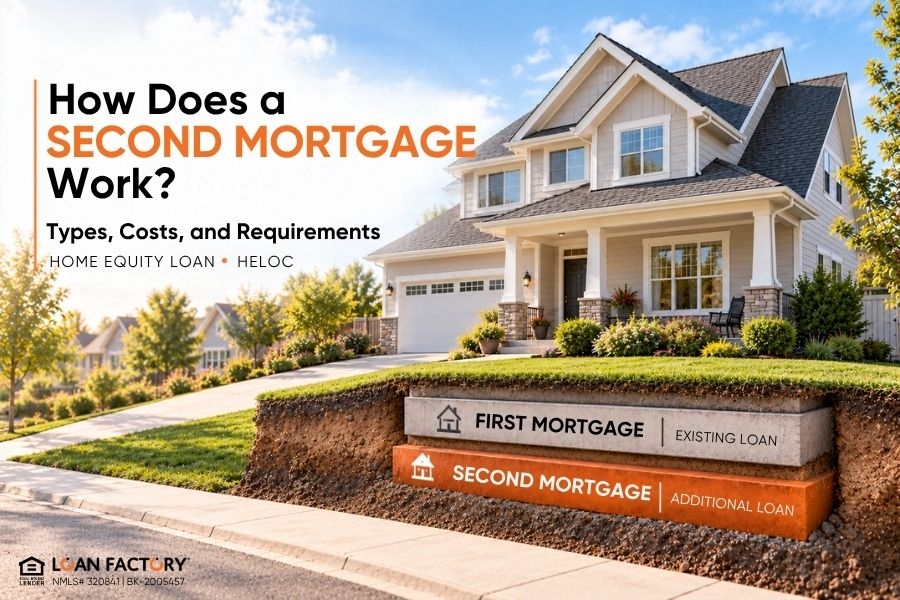
Medical professional mortgage A proprietary mortgage for designated licensed healthcare professionals Eligible occupations, state availability, down payment, mortgage insurance, pricing, and property restrictions Homebuyer assistance A grant, forgivable loan, deferred loan, employer benefit, or second mortgage Income limits, repayment, recapture, funding, occupancy, location, and approved-lender rules Standard mortgage program Conventional, FHA, VA, USDA, or another broadly available mortgage Credit, income, assets, debts, property, occupancy, and underwriting requirements
The term “healthcare professional mortgage” is not a single standardized loan category. Each provider can establish its own eligibility list, underwriting rules, loan limits, and pricing structure.
Healthcare professionals with physician-level credentials can also review Loan Factory’s guide to the doctor home loan program before comparing specialty and conventional financing.
Who May Qualify for a Healthcare Professional Home Loan Program? Eligibility depends on how the lender defines a healthcare professional. Some programs are restricted to physicians and dentists, while others may include nurse practitioners, physician assistants, pharmacists, veterinarians, podiatrists, optometrists, certified registered nurse anesthetists, residents, or fellows.
Registered nurses, licensed practical nurses, therapists, medical technicians, administrative staff, and other hospital employees are not automatically included. A lender may require an active professional license, an eligible degree, proof of employment, or a specific number of years since completing training.
Before relying on a healthcare professional home loan program, confirm:
Your exact occupation and license are eligible. The program is available in the state where you are buying. Residents, fellows, new graduates, or contract employees are accepted. A future employment offer can be used when applicable. The property will meet occupancy and property-type requirements. The program is available for the requested loan amount. Mortgage insurance is required or waived through another pricing structure. The loan uses a fixed or adjustable interest rate. The program can be combined with employer or local assistance. A program name should not replace a complete mortgage comparison. Specialty underwriting may be useful, but it does not guarantee approval, favorable pricing, or a lower overall cost.
Types of Healthcare Worker Home Loan Programs Healthcare workers may have several financing paths available. Begin with programs tied to your strongest eligibility factor, such as professional credentials, military service, rural property location, household income, or employer benefits.
1. Medical Professional Mortgages A medical professional mortgage is a lender-specific home loan designed for certain licensed healthcare professionals. It may account for circumstances such as significant student debt, a newly signed employment contract, limited savings after professional training, or a shorter post-graduation employment history.
Depending on the provider, possible features may include:
Low-down-payment financing An alternative mortgage insurance structure Higher available loan amounts Consideration of an eligible employment contract Different treatment of certain student loan obligations Underwriting designed for residents, fellows, or newly practicing professionals These features are not universal. Some medical mortgages use adjustable rates, require stronger credit, limit eligible properties, or apply only to a narrow list of occupations.
Compare a medical professional mortgage against:
Conventional financing HomeReady® or Home Possible® FHA-insured financing VA-guaranteed financing USDA-guaranteed financing Local or employer-supported assistance Jumbo financing when the requested amount exceeds conforming limits For a closer comparison with standard financing, review Conventional Home Loans to understand down payment requirements, mortgage insurance, qualification considerations, and other common loan features.
2. HomeReady® Mortgage HomeReady® is a Fannie Mae conventional mortgage designed for eligible low-income borrowers. Qualified buyers may access financing with a down payment as low as 3% and may use permitted gifts, grants, and other eligible sources of funds.
HomeReady may be worth reviewing when a healthcare worker:
Meets the applicable income limit Is purchasing an eligible primary residence Has limited funds available for upfront costs Plans to use eligible gifts or assistance Wants to compare conventional mortgage insurance with FHA costs Healthcare employment is not a qualification requirement. Eligibility is based on borrower income, property, occupancy, credit, assets, and underwriting guidelines.
3. Home Possible® Mortgage Home Possible® is Freddie Mac’s low-down-payment conventional mortgage for eligible low- and very-low-income borrowers. It permits down payments as low as 3%, allows flexible funding sources, and generally limits qualifying income to 80% of the area median income for the property location.
This option may fit healthcare workers who:
Meet the applicable property-based income limit Need a low-down-payment conventional option Have eligible gift or employer-assistance funds Want to compare conventional mortgage insurance with other programs Income limits should be checked using the current property address because area median income varies by location.
4. FHA-Insured Loans An FHA loan is a mortgage issued by a participating private lender and insured by the Federal Housing Administration. It is not restricted to healthcare employees, but it may be helpful for eligible buyers with limited savings or credit profiles that do not fit available conventional options.
HUD states that an FHA down payment may be as low as 3.5% of the purchase price in eligible transactions. FHA financing also includes mortgage insurance and property requirements that should be included in the total cost comparison.
Healthcare workers considering FHA financing should review:
Credit and lender-overlay requirements Upfront and annual mortgage insurance Debt-to-income analysis Eligible sources of down payment funds Property condition and appraisal requirements County loan limits Seller contribution and assistance rules Loan Factory’s guide to FHA loan qualifications explains how income, credit, down payment, debt, and property requirements may affect eligibility.
5. VA-Guaranteed Home Loans Healthcare workers who are eligible Veterans, active-duty Servicemembers, or qualifying surviving spouses should compare the VA home loan benefit before selecting an occupation-based mortgage.
The Department of Veterans Affairs does not require a down payment for many eligible VA transactions, although individual circumstances can lead to a lender requiring one. VA loans also do not require private mortgage insurance, but a VA funding fee may apply unless the borrower qualifies for an exemption.
VA eligibility comes from qualifying military service rather than healthcare employment. A physician, nurse, therapist, pharmacist, technician, or other healthcare employee with VA eligibility may find that the VA benefit provides a more suitable structure than a private professional mortgage.
Healthcare workers with qualifying military service can review our VA home loan guide to understand eligibility, financing features, funding fees, and other program requirements.
6. USDA-Guaranteed Home Loans The USDA Single Family Housing Guaranteed Loan Program helps eligible low- and moderate-income households purchase primary residences in qualifying rural areas through approved private lenders.
Eligible applicants may receive 100% financing, subject to household income, property location, occupancy, credit, underwriting, and other USDA requirements. USDA currently states that qualifying income generally cannot exceed 115% of the applicable median household income.
USDA financing may be relevant for healthcare professionals working in:
Rural hospitals Regional clinics Community health centers Smaller towns Eligible suburban or rural communities The home address and total household income must be reviewed under current USDA rules. Employment at a rural medical facility does not automatically make the property or borrower eligible.
Healthcare workers considering a qualifying rural property can review USDA home loans to understand property eligibility, household income limits, occupancy, and financing requirements.
Program Feature Disclosure: References to 3%, 3.5%, or no-down-payment financing describe general program features, not personalized offers. Eligibility, rates, APRs, payments, mortgage insurance, fees, credits, cash to close, and terms depend on credit, income, assets, property details, market conditions, underwriting, and lender or investor guidelines.
7. Good Neighbor Next Door for Eligible EMTs HUD’s Good Neighbor Next Door program is one of the limited federal homeownership programs that directly includes a healthcare-related occupation. It applies to qualifying full-time emergency medical technicians, not to healthcare workers generally.
HUD offers eligible properties in designated revitalization areas at a 50% discount from the list price. Participants must use the property as their principal residence for 36 months and sign a second mortgage and note for the discount amount. Available properties are limited and change regularly.
An EMT must generally:
Be employed full time by an eligible government or tribal emergency services unit Directly serve the locality where the home is located Purchase an eligible HUD-owned property Meet ownership and program requirements Occupy the home as a principal residence for 36 months Complete the required annual occupancy certifications Physicians, nurses, pharmacists, hospital administrators, therapists, and other healthcare workers do not qualify for this program solely because of their occupation.
Eligible EMTs can review the Good Neighbor Next Door program for more information about occupation, property, discount, and occupancy requirements.
8. Employer or Hospital Homebuyer Assistance Some hospitals, healthcare systems, universities, and public employers offer housing assistance to recruit or retain employees. Assistance may help with a down payment, closing costs, reserves, relocation, or another approved homeownership expense.
Under Fannie Mae guidelines, eligible employer assistance may be structured as:
A grant A fully repayable loan A forgivable loan A deferred-payment loan A secured or unsecured second mortgage Employer assistance may generally be used for an eligible principal residence, subject to documentation, borrower-contribution, subordinate-financing, and underwriting requirements.
Ask your employer:
Is homebuyer or relocation assistance currently available? Which employees and occupations qualify? Must the property be located near the workplace? Is continued employment required? Does the assistance have to be repaid after resignation or termination? Can the benefit be combined with the proposed first mortgage? Is an approved lender or housing counselor required? Is the assistance taxable? Obtain the complete written agreement before including employer funds in your home-purchase plan.
9. State and Local Down Payment Assistance State housing agencies, cities, counties, and nonprofit administrators may offer assistance that healthcare workers can use when they meet the program’s income, location, first-time buyer, occupancy, purchase-price, and property requirements.
Assistance may take the form of:
A grant A forgivable second mortgage A deferred-payment second mortgage A fully repayable second mortgage Shared-equity assistance A lender credit Another documented subsidy The word “assistance” does not necessarily mean that funds are free. Some programs require repayment after a sale, refinance, move, employment change, or failure to complete the required occupancy period.
Funding and eligibility can change. Verify the current application window, remaining funds, repayment conditions, income limits, and participating-lender rules before entering a purchase contract.
Healthcare workers can review state and local down payment assistance programs to understand common eligibility, funding, repayment, and location requirements.
Which Program May Fit Your Situation? The strongest starting point is usually the program tied to a clear eligibility advantage. Compare that option with at least one standard mortgage before deciding.
Healthcare worker situation
Programs to investigate
Full-time EMT purchasing an eligible HUD home Good Neighbor Next Door Veteran or qualifying military borrower VA-guaranteed mortgage Buyer purchasing in an eligible rural area USDA-guaranteed mortgage Borrower within applicable income limits HomeReady® or Home Possible® Buyer with limited savings or credit challenges FHA and eligible assistance programs Physician, dentist, or eligible advanced medical professional Medical professional mortgage and conventional alternatives Employee receiving hospital housing assistance Employer assistance combined with an eligible first mortgage Buyer who needs help with upfront costs State or local down payment assistance Travel nurse or worker with variable earnings A program that supports the documented income pattern
This decision table is a starting point, not an eligibility determination. A borrower may qualify for several programs, and a specialty mortgage may not produce the most favorable rate-and-cost combination.
Before setting a home price range, complete a documented mortgage pre-approval . A preapproval can help identify which portions of your healthcare income may be used and which documents are still required.
How Healthcare Income Is Evaluated Healthcare workers frequently earn more than a simple base salary. Overtime, shift differentials, bonuses, call pay, weekend premiums, per-diem income, travel contracts, and earnings from multiple employers can make underwriting more complex.
The lender must determine whether income is documented, stable, and eligible under the selected mortgage program. High current earnings do not automatically mean every amount on a recent paystub will be included.
Base Salary and Hourly Income Fixed salary or hourly income with guaranteed minimum hours may be easier to evaluate than income with fluctuating hours. Fannie Mae distinguishes fixed base income from variable base income and requires the lender to document and calculate the eligible amount.
The lender may review:
Current pay rate Guaranteed hours Employment status Year-to-date earnings Recent paystubs W-2 forms Verification of employment A recent pay increase may help, but the lender must still document the current income and determine the amount permitted under the applicable guidelines.
Overtime, Bonuses, and Shift Differentials Overtime and bonus income may be used when the lender can document an acceptable history and determine that the income is stable. Fannie Mae recommends a two-year history, although income received for at least 12 months may sometimes be considered when positive factors support the shorter period.
Healthcare workers should prepare:
Recent paystubs with year-to-date totals Prior W-2 forms Employment verification A breakdown of base and additional earnings Explanations for significant increases or decreases Documentation of regular shift differentials when requested Do not build your maximum purchase budget around every available overtime shift before the qualifying income has been calculated.
Travel Nurse, Contract, and Per-Diem Income Travel nurses and contract healthcare workers may need additional review because assignments, agencies, stipends, hours, and employment classifications can change.
The lender may evaluate:
Length and continuity of the work history Current and previous contracts Gaps between assignments W-2 versus self-employed classification Taxable wages Reimbursements and non-taxable allowances Likelihood that eligible income will continue Housing stipends or reimbursements should not automatically be treated as qualifying income. The lender must determine whether the payment is income, reimbursement, or another form of compensation under the applicable guidelines.
Nurses who want a profession-specific comparison can also review home loan programs for nurses to understand mortgage options, nursing-income documentation, student loans, and homebuyer assistance.
New Employment Contracts A healthcare professional who is relocating for a new position may be able to qualify using an eligible employment offer or contract, even when the position has not yet started.
Fannie Mae permits certain purchase loans to be delivered using documented future employment income when the transaction meets applicable requirements. These can include conditions related to the property, occupancy, fixed-base income, start date, employment contract, and reserves.
A lender may request:
A fully executed employment contract Position and employer information Start date Compensation structure Confirmation that employment conditions are satisfied Financial reserves covering the period before employment begins A future contract is not automatically acceptable under every mortgage program. Have it reviewed before making an offer.
How Student Loans Affect Mortgage Qualification Student loan debt does not automatically prevent a healthcare worker from qualifying for a mortgage. However, the payment included in the debt-to-income ratio may differ by mortgage program and may not match the amount shown on a recent statement or credit report.
Potential issues include:
A credit report showing a zero payment Deferred or forbearance status Income-driven repayment Employer-paid student loan benefits Loans paid by another party Multiple consolidated or unconsolidated accounts Prepare current statements showing:
Outstanding balance Required monthly payment Repayment-plan status Deferment or forbearance terms Evidence of employer contributions Documentation of payments made by another party when applicable Ask the Loan Officer to compare how each available program treats the same documented student loan obligation. A medical professional mortgage may use a different calculation from a conventional, FHA, VA, or USDA loan, but the treatment depends on the specific provider and current guidelines.
Healthcare workers carrying student loan debt should understand how lenders calculate debt-to-income ratio for a mortgage before setting a target home price.
Documents Healthcare Workers Should Prepare Preparing documents before shopping for a home can reduce delays and help the lender identify the most appropriate options.
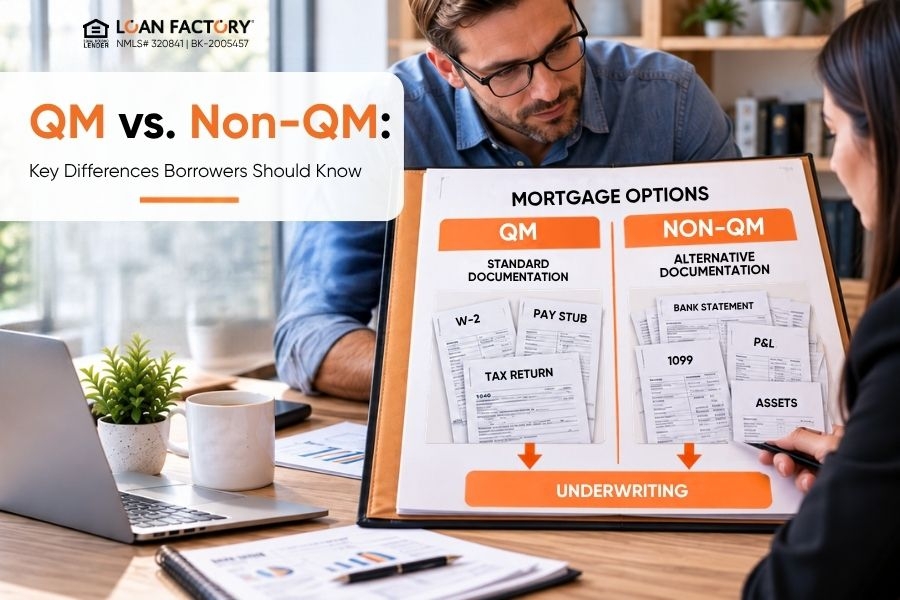
Employment and Income Documents Recent paystubs W-2 forms Federal tax returns when required Verification of employment Employment offer or contract Prior travel or agency contracts Documentation of bonuses, overtime, or shift differentials Business records for self-employed medical professionals Asset and Assistance Documents Recent bank statements Investment or retirement statements when used Gift-fund documentation Employer-assistance agreement State or local assistance approval Earnest money documentation Explanations for large deposits Debt and Credit Documents Student loan statements Auto and installment loan information Credit card statements when requested Support-payment documentation when applicable Explanations for disputed or recent credit events Property Documents Signed purchase agreement Property address Homeowners insurance information HOA or condominium documents Assistance-program property forms Inspection or repair documentation when applicable The exact document list will vary by program, property, income type, and underwriting findings.mortgage application document checklist before starting the loan process.
How to Compare Healthcare Worker Home Loan Programs Compare the full mortgage structure—not only the occupation-based benefit or minimum down payment.
Use this eight-step framework:
Confirm occupational eligibility. Verify that your exact license, degree, profession, and employment status qualify. Review the down payment. Determine how much must come from your funds and whether gifts or assistance are allowed. Calculate total cash to close. Include the down payment, lender charges, third-party costs, prepaid expenses, escrow deposits, credits, and assistance. When comparing programs, understand the difference between cash to close vs. closing costs so you can evaluate the total amount needed for the transaction.
Review the monthly housing expense. Include principal, interest, taxes, insurance, mortgage insurance, and HOA dues. Compare rate and APR. Review points, lender credits, adjustable-rate features, and lock periods. Understand mortgage insurance. Determine whether it is required, built into pricing, or removable under certain conditions. Review assistance repayment. Identify whether assistance is a grant, deferred loan, forgivable loan, repayable second mortgage, or shared-equity arrangement. Protect emergency reserves. Avoid choosing a structure that leaves you without savings for moving, repairs, or unexpected expenses. The CFPB recommends comparing Loan Estimates using the same loan amount and loan type. Review interest rate, payment, lender-controlled costs, points, credits, and the five-year cost shown on the standardized form.
You can compare mortgage options using your occupation, income pattern, student loans, property location, available savings, and purchase goals.
Common Mistakes Healthcare Workers Should Avoid Assuming Every Healthcare Employee Receives Special Terms A lender may accept physicians but not nurses, or advanced-practice nurses but not other hospital employees. Confirm occupational eligibility in writing.
Counting All Overtime as Qualifying Income Recent overtime can increase a paycheck without establishing the history needed for mortgage qualification. Have the lender calculate eligible income before setting a purchase budget.
Ignoring Student Loan Treatment A deferred loan or zero reported payment may still affect the debt-to-income calculation. Obtain current statements and repayment-plan documentation.
Selecting a Program Based Only on Down Payment A smaller down payment can preserve savings but may result in a larger balance, mortgage insurance, different pricing, or a higher long-term cost.
Treating Assistance as Free Money Employer and local programs may require repayment or impose occupancy, employment, resale, or refinance conditions.
Waiting Until After Making an Offer Contract income, future employment, multiple jobs, overtime, and travel assignments may require additional underwriting review. Begin the process before entering a binding purchase agreement.
Reviewing the Loan Factory loan process can help you understand the general sequence from application and document collection through underwriting and closing.
How Loan Factory Helps Healthcare Workers Loan Factory is a technology-powered mortgage platform helping borrowers compare mortgage options through a broad wholesale lender network. Healthcare workers can work with a licensed Loan Officer to review programs based on income, credit, assets, student debt, occupation, property, location, and homeownership goals.
Depending on your circumstances, Loan Factory can help you:
Compare medical professional and standard mortgage options that may be available Review conventional, FHA, VA, USDA, jumbo, and other eligible programs Evaluate overtime, bonus, shift differential, contract, or self-employment documentation Compare how available programs treat student loan obligations Review employer or local assistance with the proposed first mortgage Compare rate, APR, points, credits, mortgage insurance, payment, and cash to close Identify documents that may be needed before making an offer TERA supports the digital mortgage process with online applications, secure document upload, e-signing, communication, and loan-status tracking. Features and milestones do not guarantee approval, closing, or funding.
Finding the Right Home Loan Program Home loan programs for healthcare workers include private medical professional mortgages, employer and local assistance, and broadly available conventional or government-backed options. The right program depends on your professional credentials, documented income, debts, assets, military eligibility, property, and location.
A healthcare worker home loan program should be compared against at least one standard alternative. Focus on the complete rate-and-cost combination, not only the occupation-based label or advertised down payment.
When you are ready, apply for a mortgage online or call or text (660) 333-3333 to discuss your purchase plans with a Loan Factory mortgage professional.
Experience Note The qualification, income, documentation, student loan, and program-comparison frameworks in this article are educational illustrations based on common mortgage considerations for salaried, hourly, contract, travel, and variable-income healthcare workers.
They do not represent a specific Loan Factory borrower, approval, quote, closing, or funded transaction.
Sources About the Author Loan Factory Mortgage Education Team
Loan Factory is a technology-powered mortgage platform helping borrowers compare mortgage options through a broad wholesale lender network.
The Loan Factory Mortgage Education Team helps healthcare professionals understand mortgage programs, variable-income documentation, student loan considerations, homebuyer assistance, and the home-purchase process.
Disclaimer This content is for educational purposes only and is not financial, legal, tax, or housing advice. It is not a commitment to lend or a guarantee of approval, rates, terms, or funding.
Loan terms, eligibility, and requirements may change and vary by borrower, lender, property, and program. Consult licensed professionals for your specific situation.
Loan Factory is a private mortgage company and is not affiliated with HUD, FHA, VA, USDA, Fannie Mae, Freddie Mac, FHFA, CFPB, or any government agency.
Frequently Asked Questions