No PMI mortgage programs may help eligible homebuyers buy or refinance without a separate monthly private mortgage insurance payment. However, “no PMI” does not always mean the loan has no mortgage insurance cost, no program fee, or no tradeoff.
The simple answer:
Home loans with no PMI may include VA loans, certain USDA loans, conventional loans with 20% down, lender-paid mortgage insurance options, piggyback loan structures, and some portfolio or specialty mortgage programs. Some of these options truly avoid private mortgage insurance, while others replace monthly PMI with a funding fee, guarantee fee, higher interest rate, second mortgage, or larger down payment requirement.
The Consumer Financial Protection Bureau explains that private mortgage insurance, or PMI, may be required when a borrower takes out a conventional loan with a down payment of less than 20% of the purchase price. CFPB also explains that mortgage insurance lowers lender risk, may help borrowers qualify, but increases the cost of the loan.
Important note: This article is for informational purposes only and is not a commitment to lend. No PMI mortgage program eligibility, home loans with no PMI, lender-paid mortgage insurance, VA loan eligibility, USDA loan eligibility, conventional loan approval, down payment options, rates, APR, fees, closing costs, second mortgage eligibility, mortgage insurance, funding fees, guarantee fees, escrow, property eligibility, appraisal results, and closing timelines depend on borrower qualifications, credit profile, income, debts, assets, property details, occupancy, loan program, lender guidelines, underwriting, investor requirements, and current program rules.
Key Takeaways No PMI mortgage programs can mean different things depending on the loan type. PMI usually applies to conventional loans when the down payment is less than 20%. A loan with no monthly PMI may still have other costs, such as a VA funding fee, USDA guarantee fee, higher interest rate, second mortgage, or larger down payment. VA loans do not require down payments or monthly mortgage insurance for eligible borrowers, but many borrowers pay a one-time VA funding fee unless exempt. USDA loans do not use conventional PMI, but USDA guaranteed loans may include upfront and annual guarantee fees. USDA’s program supports eligible low- and moderate-income households buying primary residences in eligible rural areas. Lender paid mortgage insurance means private mortgage insurance is paid by someone other than the borrower. Federal law defines lender-paid mortgage insurance as PMI required in a residential mortgage transaction where payments are made by a person other than the borrower. A lender-paid PMI option may remove a separate monthly PMI line item, but it may come with a higher interest rate or other cost tradeoff. The best option is not always the loan that says “no PMI.” The better option is the one with the right balance of payment, cash to close, approval strength, and long-term cost. What Does “No PMI” Mean? “No PMI” means there is no separate private mortgage insurance charge on the loan.
This usually applies to conventional mortgage language.
PMI stands for private mortgage insurance, and CFPB says it may be required on conventional loans with down payments under 20%.
However, “no PMI” can mean several different things:
“No PMI” Scenario
What It May Actually Mean
Conventional loan with 20% down PMI may not be required because the loan-to-value ratio is 80% or lower VA loan No monthly PMI, but a VA funding fee may apply unless exempt USDA loan No conventional PMI, but USDA upfront and annual guarantee fees may apply Lender-paid mortgage insurance No separate monthly borrower-paid PMI, but cost may be built into pricing Piggyback loan First mortgage may avoid PMI, but borrower has a second mortgage Portfolio loan Lender may offer no PMI under internal guidelines Specialty professional loan Some lenders may offer no PMI for eligible borrowers, often with specific requirements
The key is simple:
No PMI does not always mean no mortgage insurance-related cost.
It means you should compare the full loan structure.
Home Loans No PMI: Common Options to Review If you are looking for home loans no PMI, here are the most common paths to review.
Option
PMI?
Possible Tradeoff
VA loan No monthly PMI VA funding fee may apply unless exempt USDA loan No conventional PMI Upfront and annual USDA guarantee fees may apply Conventional with 20% down Usually no PMI Requires larger down payment Lender-paid mortgage insurance No separate monthly borrower-paid PMI May come with higher rate or pricing tradeoff Piggyback loan First mortgage may avoid PMI Requires second mortgage payment Portfolio no-PMI loan Depends on lender May require strong borrower profile or specific terms Doctor or professional loan Depends on lender Usually limited to eligible professions and profiles Jumbo no-PMI structure Depends on lender May require larger down payment, strong credit, reserves
The right option depends on your eligibility, property, credit, down payment, and long-term plan.
Why Do Lenders Require PMI? PMI helps reduce lender risk when a borrower uses a conventional loan with a lower down payment.
A smaller down payment usually means a higher loan-to-value ratio.
That increases lender risk.
CFPB explains that mortgage insurance lowers the risk to the lender, which may help borrowers qualify for a loan they might not otherwise be able to get, but it also increases the cost of the loan.
PMI can help some buyers purchase sooner instead of waiting years to save 20% down.
But it still affects affordability.
That is why buyers should compare loan options with and without PMI.
Option 1: Conventional Loan With 20% Down One of the most straightforward ways to avoid PMI is to make a down payment of at least 20% on a conventional loan, if the borrower and property qualify.
CFPB says PMI may be required when a conventional borrower makes a down payment of less than 20%.
Conventional 20% Down May Fit If You have enough savings for 20% down. You still have cash reserves after closing. You want to avoid monthly PMI. The property qualifies for conventional financing. The payment fits your budget. You want a simpler monthly payment structure. Conventional 20% Down May Not Be Best If Using 20% down would drain your savings. You need money for repairs, moving, reserves, or emergencies. A lower down payment with PMI keeps more cash available. Another program offers a better total cost. You could qualify for VA or USDA with different cost structures. Avoiding PMI is helpful, but keeping enough cash after closing also matters.
→ Read more: What Is a Standard Conventional Loan? | 80% LTV Guide
Option 2: VA Loans With No Monthly PMI VA loans are one of the best-known no monthly PMI mortgage options for eligible borrowers.
VA says the VA funding fee helps lower the cost of the program because VA loans do not require down payments or monthly mortgage insurance.
VA also states that the funding fee is a percentage of the loan amount and may vary based on loan type, military category, whether the borrower is a first-time or subsequent VA loan user, and whether the borrower makes a down payment.
VA Loans May Fit If You are an eligible Veteran, service member, or qualifying surviving spouse. You have available VA entitlement. You are buying or refinancing an eligible property. The home will meet VA occupancy and property requirements. You want a loan option with no monthly PMI. You can qualify under lender and VA requirements. VA Loan Cost to Review VA Cost or Feature
What to Know
Monthly PMI Not required Down payment Often not required for eligible borrowers VA funding fee May apply unless borrower is exempt Closing costs Still apply Property requirements VA appraisal and eligibility rules apply Entitlement Must be reviewed Residual income Often part of VA underwriting review
VA can be a powerful option, but it is not automatically the best fit for every eligible borrower.
Compare the VA funding fee, rate, APR, payment, closing costs, and cash to close
→ Read more: First-Time VA Loan Home Buyer Guide | No PMI & Low Upfront Costs
Option 3: USDA Loans With No Conventional PMI USDA loans do not use conventional PMI.
USDA’s Single Family Housing Guaranteed Loan Program helps approved lenders provide loans for eligible low- and moderate-income households to buy adequate, modest, decent, safe, and sanitary primary residences in eligible rural areas.
USDA program materials show an upfront guarantee fee and annual fee for the Single Family Housing Guaranteed Loan Program.
USDA Loans May Fit If The property is in a USDA-eligible area. Your household income meets USDA limits. You will occupy the home as your primary residence. You meet lender credit and income requirements. You want a low or no down payment option, if eligible. You understand the upfront and annual guarantee fees. USDA Cost to Review USDA Cost or Feature
What to Know
Monthly PMI Conventional PMI does not apply Upfront guarantee fee May apply Annual fee May apply and may be paid monthly Property location Must be USDA-eligible Income limits Household income limits apply Occupancy Primary residence required Closing costs Still apply
USDA can help eligible rural and suburban buyers, but property location and income limits matter.
→ Read more: USDA First-Time Home Buyer Loan Qualifications | Who Can Qualify
Option 4: Lender Paid Mortgage Insurance Lender paid mortgage insurance, often called LPMI, may allow a borrower to avoid a separate monthly borrower-paid PMI charge.
Federal law defines lender-paid mortgage insurance as private mortgage insurance required in connection with a residential mortgage transaction where the payments are made by a person other than the borrower.
In practical mortgage comparisons, LPMI often means the PMI cost is built into the loan pricing instead of appearing as a separate monthly PMI line.
Lender Paid Mortgage Insurance May Fit If You want to avoid a separate monthly PMI payment. You prefer a simpler monthly payment line item. You plan to keep the loan for a shorter period. The total monthly payment is competitive. The rate and APR still compare well against borrower-paid PMI. Lender Paid Mortgage Insurance May Not Fit If The interest rate is meaningfully higher. You plan to keep the loan for a long time. Borrower-paid PMI could be removed later. You want the clearest path to PMI cancellation. The APR or total cost is higher than other options. LPMI vs Borrower-Paid PMI Feature
Borrower-Paid PMI
Lender-Paid Mortgage Insurance
Separate monthly PMI line Usually yes Usually no Cost visibility Easier to see Built into pricing or rate structure Interest rate May be lower than LPMI option May be higher than borrower-paid PMI option PMI cancellation May be cancellable when requirements are met Usually not removed the same way because cost is built into pricing Best fit Borrowers who may remove PMI later Borrowers who want no separate monthly PMI and understand tradeoffs
LPMI is not “free PMI.”
It is a different pricing structure.
Always compare the rate, APR, payment, closing costs, and long-term cost.
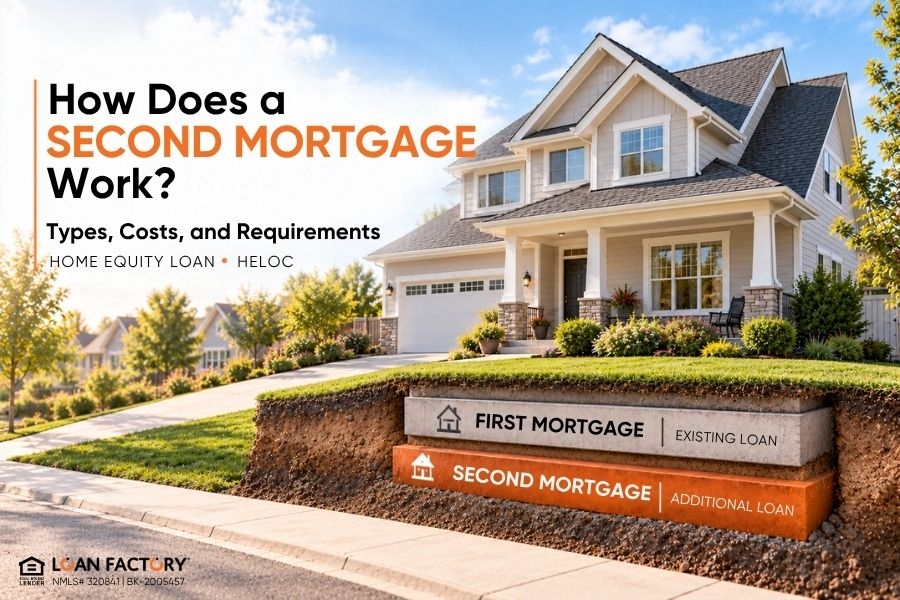
Option 5: Piggyback Loans or 80-10-10 Structures A piggyback loan is another way some buyers try to avoid PMI.
A common structure is called 80-10-10:
80% first mortgage 10% second mortgage 10% down payment The first mortgage may avoid PMI because the first loan is at 80% loan-to-value.
However, the borrower now has a second mortgage.
Piggyback Loan May Fit If You have strong credit. You can qualify for both loans. The combined payment is manageable. The second mortgage terms are clear. The total cost compares well against PMI. You want to reduce or avoid monthly PMI on the first mortgage. Piggyback Loan May Not Fit If The second mortgage rate is high. The combined payment is higher than PMI. You want a simpler loan structure. You do not qualify for the second loan. You plan to refinance soon. Closing costs are higher than expected. PMI vs Piggyback Option
Benefit
Tradeoff
PMI One mortgage; PMI may be cancellable later Monthly PMI increases payment Piggyback May avoid PMI on first mortgage Second mortgage payment and separate terms LPMI No separate monthly PMI Cost may be built into higher rate 20% down Usually avoids PMI Requires more upfront cash
Piggyback loans can make sense in some cases, but they should be compared carefully.
Option 6: Portfolio and Specialty No-PMI Programs Some lenders may offer portfolio or specialty home loan programs with no PMI.
These may include:
Professional mortgage programs Doctor loan programs Bank portfolio loans Credit union portfolio loans Jumbo no-PMI structures Specialty first-time buyer programs Community lending programs Employer-assisted home loan options These programs can vary widely.
A portfolio lender may keep the loan in-house instead of selling it to Fannie Mae, Freddie Mac, or another investor. Because of that, the lender may set its own internal guidelines.
Specialty No-PMI Programs May Review Profession or employment type Income stability Credit score Debt-to-income ratio Down payment Reserves Property type Occupancy Loan amount Relationship banking requirements Geographic or community eligibility First-time buyer status A no-PMI specialty program may still have higher rates, stricter requirements, larger reserves, or specific eligibility rules.
Do not assume no PMI means the lowest total cost.
No PMI vs No Mortgage Insurance: Important Difference “No PMI” and “no mortgage insurance” are not always the same.
PMI is private mortgage insurance on conventional loans.
Other loan types may not have PMI but may have other costs.
Loan Program
PMI?
Other Cost May Apply?
Conventional with 20% down Usually no Standard closing costs still apply Conventional with LPMI No separate borrower-paid PMI Cost may be built into rate VA loan No monthly PMI VA funding fee may apply unless exempt USDA loan No conventional PMI Upfront and annual guarantee fees may apply FHA loan No PMI FHA mortgage insurance premium applies Piggyback loan First mortgage may avoid PMI Second mortgage cost applies
This is why “no PMI” should be reviewed in context.
A loan can have no PMI but still have mortgage-related costs.
Home Loan Programs With No PMI: Side-by-Side Comparison Program
Who May Benefit
Main Advantage
Main Tradeoff
VA loan Eligible Veterans, service members, survivors No monthly PMI and often no down payment Funding fee may apply unless exempt USDA loan Eligible buyers in eligible rural areas No conventional PMI; low/no down payment potential Guarantee fees, location, and income limits Conventional 20% down Buyers with larger savings Usually no PMI Requires more cash upfront Lender-paid MI Buyers wanting no separate monthly PMI Removes monthly PMI line item May have higher rate/pricing Piggyback loan Buyers who qualify for second mortgage May avoid PMI on first mortgage Second loan payment and terms Portfolio no-PMI loan Strong borrowers or niche scenarios Flexible lender-specific structure May have stricter rules or higher cost Professional loan Eligible doctors or professionals May allow low down payment with no PMI Limited eligibility and program rules
The best comparison should include actual Loan Estimates when possible.
→ Read more: First Time Home Buyer Home Loan Programs: Which Option Can Help You Buy Sooner?
How to Compare No PMI Mortgage Programs When comparing no PMI options, ask for the full loan structure.
Look at:
Comparison Item
Why It Matters
Interest rate Affects monthly payment and interest cost APR Helps compare broader cost of credit Monthly payment Shows affordability PMI or mortgage insurance Confirms whether a separate MI cost applies Funding fee or guarantee fee Replaces PMI in some loan types Closing costs Affects cash to close Cash to close Shows upfront funds needed Down payment Larger down payment may avoid PMI but reduce reserves Second mortgage payment Applies to piggyback loans PMI cancellation option Important for borrower-paid PMI Loan term Affects total cost How long you plan to keep the loan Important for LPMI or upfront fee tradeoffs
A no-PMI loan with a higher rate may cost more over time than a loan with PMI that can later be removed.
A loan with PMI may sometimes be better than a no-PMI option if the payment, APR, and long-term cost are stronger.
Is No PMI Always Better? No.
No PMI can be helpful, but it is not automatically better.
A no-PMI option may still come with:
Higher interest rate VA funding fee USDA guarantee fee Higher closing costs Second mortgage Larger down payment Larger reserves Stricter credit requirements Limited property eligibility Fewer lender options CFPB explains that mortgage insurance increases the cost of the loan, but it may help borrowers qualify for financing they might not otherwise receive.
The right question is:
What is the full cost of this loan compared with other available options?
When No PMI Mortgage Programs May Make Sense A no-PMI mortgage option may make sense if:
You qualify for a VA loan. You qualify for a USDA loan and the property is eligible. You have 20% down and still have enough reserves. Lender-paid mortgage insurance produces a better total payment. A piggyback loan is cheaper than PMI and fits your budget. You qualify for a portfolio no-PMI program. You plan to keep the loan long enough for the structure to make sense. You understand the tradeoffs. No PMI can be valuable when it genuinely improves the full mortgage structure.
When PMI May Still Be Worth Considering PMI may still be worth considering if:
You do not qualify for VA or USDA. You do not want to drain savings for 20% down. Borrower-paid PMI is affordable. PMI can potentially be removed later. A no-PMI option has a higher rate. A piggyback loan is more expensive. You want a single mortgage instead of two loans. You expect income or equity to improve. You want to buy sooner and keep more cash reserves. PMI is not automatically a bad thing.
It is a cost that should be compared.
Example: No PMI vs PMI Loan Comparison Hypothetical example only: This example is for educational purposes only and is not a quote, approval, payment estimate, advertisement, or commitment to lend. Actual rates, APR, PMI, mortgage insurance, fees, closing costs, payment, cash to close, eligibility, and loan terms depend on borrower qualifications, property details, lender guidelines, underwriting, and market conditions.
A buyer has several options:
Option
Monthly PMI?
Other Cost or Tradeoff
Conventional with PMI Yes PMI may be removable later if requirements are met Conventional with 20% down No Requires more upfront cash VA loan No monthly PMI VA funding fee may apply unless exempt USDA loan No conventional PMI Upfront and annual guarantee fees may apply Lender-paid MI No separate monthly PMI Rate may be higher Piggyback loan No PMI on first mortgage Second mortgage payment applies
The buyer should compare:
Monthly payment APR Cash to close Long-term interest Program fees PMI cancellation Refinance plans Cash reserves after closing The best option may not be the one with the lowest visible PMI line.
It may be the one with the strongest overall cost and approval fit.
What We See in Real Buyer Reviews At Loan Factory, many buyers ask for home loan programs with no PMI because they want a lower monthly payment.
That is a good goal.
But the stronger review is broader.
Here are common situations we see:
A VA-eligible buyer may have no monthly PMI, but still needs to review the VA funding fee. A USDA buyer may not have conventional PMI, but still needs to review guarantee fees and property eligibility. A conventional buyer may avoid PMI with 20% down, but may not want to use too much cash before moving. A buyer may choose lender-paid mortgage insurance, then realize the rate tradeoff matters over time. A buyer may compare a piggyback loan and find that the second mortgage payment is higher than PMI. A buyer may accept PMI because it helps them buy sooner and may be removable later if requirements are met. The goal is not just avoiding PMI.
The goal is choosing the mortgage structure that best fits your payment, cash to close, timeline, and long-term plan.
No PMI Mortgage Checklist Use this checklist before choosing a loan.
Question
Why It Matters
Does this loan truly have no PMI? Confirms whether PMI applies Is there a funding fee or guarantee fee? VA and USDA may have program fees Is the rate higher because PMI is lender-paid? LPMI can be built into pricing Is there a second mortgage? Piggyback loans add another payment What is the APR? Helps compare total cost What is the full monthly payment? Shows affordability What is the cash to close? Shows upfront funds needed Can PMI be removed later on another option? Important for long-term cost How long will you keep the home or loan? Affects whether upfront or rate tradeoffs make sense Do you qualify for VA or USDA? May change available options Do you have enough reserves after closing? Avoid draining savings just to avoid PMI What does the Loan Estimate show? Gives a side-by-side comparison
A clean no-PMI decision comes from comparing real loan estimates, not just program names.
→ Read more: What Do You Need for a First-Time Home Buyer Loan? Requirements, Documents, and Checklist
Common Mistakes to Avoid Mistake 1: Thinking No PMI Means No Extra Cost No PMI does not always mean no cost.
A loan may replace PMI with a higher rate, funding fee, guarantee fee, second mortgage, or larger down payment requirement.
Mistake 2: Ignoring VA Funding Fee VA loans do not require monthly mortgage insurance, but the VA funding fee may apply unless the borrower is exempt.
Mistake 3: Ignoring USDA Guarantee Fees USDA loans do not use conventional PMI, but USDA program materials show upfront and annual fees for guaranteed loans.
Mistake 4: Assuming Lender-Paid MI Is Free Lender-paid mortgage insurance removes the separate monthly borrower-paid PMI line item, but the cost may be reflected in the rate or pricing.
Mistake 5: Forgetting PMI Can Sometimes Be Removed Conventional PMI may be removable later if requirements are met. That can make borrower-paid PMI competitive compared with a no-PMI structure in some cases.
Mistake 6: Using All Savings Just to Avoid PMI Avoiding PMI is helpful, but not if it leaves you without money for moving, repairs, emergency savings, or reserves.
Mistake 7: Comparing Only Monthly Payment Monthly payment matters, but so do APR, cash to close, loan term, funding fees, guarantee fees, second mortgage terms, and long-term cost.
Mistake 8: Assuming Every Lender Offers the Same No-PMI Options No-PMI portfolio programs, LPMI options, second mortgage structures, and specialty programs vary by lender.
Comparing options can make a difference.
How Loan Factory Helps Buyers Compare No PMI Mortgage Programs At Loan Factory, we help buyers compare mortgage options side by side so they can understand whether a no-PMI structure actually improves the full loan.
Loan Factory’s website highlights access to 240+ lenders, transparent pricing, expert support, and the TERA platform.
What Loan Factory Offers Homebuyers Review of home loans with no PMI, depending on eligibility Conventional, FHA, VA, USDA, Jumbo, Non-QM, and portfolio option comparison Side-by-side comparison of PMI, mortgage insurance, funding fees, guarantee fees, rates, APR, credits, and cash to close Help comparing lender-paid mortgage insurance vs borrower-paid PMI Help comparing 20% down, low down payment, VA, USDA, piggyback, and portfolio options Local loan advisor support to explain Loan Estimates, PMI, escrow, taxes, insurance, and monthly payment TERA technology platform to support pricing, loan comparison, document flow, and loan review No application fee to start reviewing mortgage options Loan Factory does not guarantee loan approval, no-PMI eligibility, lower payment, lower rate, PMI cancellation, VA eligibility, USDA eligibility, property eligibility, appraisal results, or that one loan program will be best for every borrower.
But we can help you compare available mortgage paths before you apply, make an offer, or choose a loan program.
Ready to compare home loan programs with no PMI?
Compare mortgage options Apply online Use the mortgage calculator Set up a mortgage rate alert
Author Box Written by: Loan Factory Mortgage Education Team
Loan Factory is a technology-powered mortgage platform helping borrowers compare mortgage options through a broad wholesale lender network. Our mortgage education content is designed to help buyers understand no PMI mortgage programs, PMI, lender-paid mortgage insurance, VA loans, USDA loans, conventional financing, mortgage insurance, down payment options, monthly payments, closing costs, and the home loan process before applying.
Compliance Disclaimer This content is for informational and educational purposes only and is not a commitment to lend, not tax advice, not insurance advice, not legal advice, and not financial advice. No PMI mortgage program eligibility, home loans with no PMI, lender-paid mortgage insurance, VA loan eligibility, USDA loan eligibility, conventional loan approval, FHA, Jumbo, Non-QM, portfolio, piggyback, second mortgage, or other loan eligibility, rates, APR, fees, payment estimates, down payment, mortgage insurance, funding fees, guarantee fees, seller credits, lender credits, closing costs, cash to close, escrow, property taxes, homeowners insurance, property eligibility, appraisal results, and closing timelines depend on borrower qualifications, credit profile, income, debts, assets, down payment, loan-to-value ratio, property details, occupancy, lender guidelines, underwriting, investor requirements, and current program rules. Not all applicants, homes, properties, or programs will qualify. Terms may change without notice.
Loan Factory is not affiliated with or acting on behalf of HUD, FHA, VA, USDA, Fannie Mae, Freddie Mac, FHFA, CFPB, FTC, any mortgage insurer, insurance company, or government agency. FHA, VA, USDA, Conventional, Jumbo, conforming, non-conforming, Non-QM, refinance, cash-out refinance, home equity, second mortgage, and other loan programs are offered through participating lender partners and approved program providers, subject to eligibility and underwriting approval.
Equal Housing Opportunity.
FAQ: No PMI Mortgage Programs