A reverse mortgage allows eligible homeowners age 62 or older to convert part of their home equity into cash — without required monthly mortgage payments on the loan balance.
For retirees concerned about fixed income, rising living costs, or preserving liquidity, a reverse mortgage can be a strategic tool. But it’s not right for everyone.
This 2026 guide explains how reverse mortgages work, who qualifies, potential benefits, and key risks to understand before making a decision.
What Is a Reverse Mortgage? A reverse mortgage is a loan available to homeowners 62 years or older that allows them to borrow against home equity.
Instead of making monthly payments to a lender:
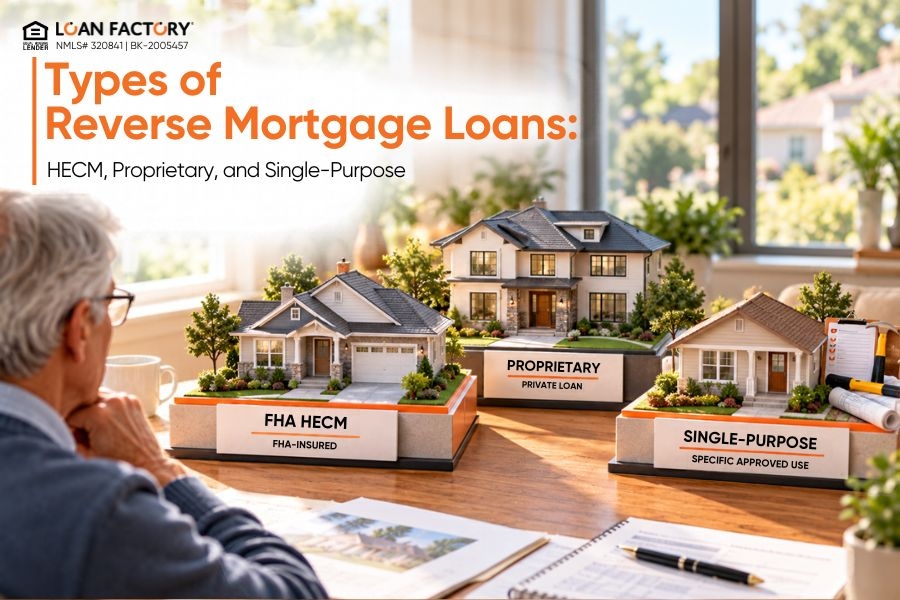
The lender pays the borrower (lump sum, line of credit, or monthly payments) The loan balance increases over time Repayment typically occurs when the home is sold, the borrower moves out, or passes away The most common reverse mortgage program in the U.S. is the Home Equity Conversion Mortgage (HECM), which is insured by the Federal Housing Administration (FHA).
How Does a Reverse Mortgage Work? Here’s the basic structure:
1 You must be 62+ and live in the home as your primary residence
No required monthly mortgage payment is due on the reverse mortgage balance — but homeowners must continue meeting property obligations.
Reverse Mortgage Payout Options Eligible borrowers may choose:
Lump Sum (fixed-rate option) Line of Credit Monthly Tenure Payments Term Payments Combination Structure The right option depends on retirement strategy and liquidity needs.
Who Qualifies for a Reverse Mortgage? Eligibility generally includes:
✔ Age 62 or older
Lenders also conduct a financial assessment to ensure ongoing property obligations can be met.
Reverse Mortgage vs Traditional Mortgage Feature
Reverse Mortgage
Traditional Mortgage
Monthly Payment Not required on loan balance Required Loan Balance Increases over time Decreases over time Age Requirement 62+ None Repayment Trigger Sale, move-out, or death Monthly payments Equity Impact Reduces over time Builds over time
Reverse mortgages are designed for retirement cash flow, not equity growth.
Pros of Reverse Mortgages From real-world retirement planning scenarios, potential advantages include:
Access to home equity without selling No required monthly mortgage payment Flexible payout structures Non-recourse protection (borrower/heirs do not owe more than home value under FHA HECM guidelines) Ability to remain in the home For some retirees, this structure improves cash flow stability.
Risks and Considerations Reverse mortgages are not free money. Important considerations include:
Loan balance grows over time Equity decreases Fees may be higher than traditional loans Home must remain primary residence Heirs may need to sell or refinance to retain property Clear communication with family members is strongly recommended before proceeding.
When Does a Reverse Mortgage Make Sense? A reverse mortgage may be appropriate if:
✔ You plan to remain in your home long term
It may not be ideal if:
You plan to move soon You want to preserve maximum equity for heirs You can comfortably manage expenses without accessing equity Every retirement scenario is different.
Reverse Mortgage vs HELOC Some homeowners compare reverse mortgages with home equity lines of credit (HELOCs).
Feature
Reverse Mortgage
HELOC
Monthly Payments Not required on loan balance Required Age Requirement 62+ None Income Qualification Financial assessment Full qualification Balance Growth Increases Depends on usage
A HELOC requires monthly repayment. A reverse mortgage does not — but balance accrues over time.
Are Reverse Mortgages Safe? HECM reverse mortgages are federally insured and require counseling before closing.
However, suitability depends on:
Long-term housing plans Health considerations Family estate goals Financial reserves It’s a financial tool — not a one-size-fits-all solution.
Why Comparing Reverse Mortgage Options Matters Reverse mortgage programs may vary by:
Lending institution Payout structure Service model Counseling guidance Fee structure Reviewing options carefully ensures alignment with retirement goals.
Why Choose Loan Factory When Exploring Reverse Mortgages? If you're evaluating a reverse mortgage, it’s important to work with a knowledgeable team that can explain all available options clearly.
Loan Factory operates as a mortgage brokerage platform with access to 240+ wholesale lenders, allowing borrowers to compare financing structures transparently.
Here’s what that means:
Zero application or junk fees Transparent side-by-side comparisons Local loan advisors for personalized support AI-powered MOSO platform for real-time pricing Guidance led by Thuan Nguyen, recognized as the #1 Loan Officer in the U.S. For eligible loan types, Loan Factory offers a $2,000 Best Price Guarantee program to help borrowers compare eligible mortgage offers more clearly. This program is not available on all loan types. Terms & Conditions apply: https://www.loanfactory.com/best-price-guarantee
Retirement financing decisions deserve clarity — not pressure.
Take the Next Step If you're 62+ and exploring reverse mortgage options:
Apply online: https://www.LoanFactory.com/apply https://www.LoanFactory.com/quote www.loanfactory.com/mortgage-rate-alert
Based on real-world jumbo loan scenarios reviewed by Loan Factory’s lending team across multiple high-cost markets.
Disclaimer:
FAQ: Reverse Mortgages