Down Payment Assistance Programs: How They Work and Who May Qualify Down payment assistance programs can help eligible homebuyers cover part of a down payment, closing costs, or both. Assistance may be offered as a grant, forgivable loan, deferred-payment second mortgage, or repayable second loan.
DPA programs are commonly administered by state housing finance agencies, local governments, nonprofits, employers, and approved housing organizations. Each program has its own income limits, property rules, funding availability, repayment terms, and first-mortgage requirements.
Key Takeaways Down payment assistance may cover part or all of an eligible down payment, closing costs, or both. Some programs provide grants, while others create a second mortgage that may need to be repaid. State housing DPA programs commonly consider income, location, purchase price, occupancy, and mortgage eligibility. Buyers should compare repayment terms, first-mortgage costs, monthly obligations, and cash to close—not only the assistance amount. Important Note: Down payment assistance program rules, funding, income limits, repayment terms, property requirements, compatible mortgages, and eligibility vary by provider, location, borrower, lender, underwriting, and investor guidelines. Assistance is not guaranteed and may become unavailable when allocated funds are committed.
What Are Down Payment Assistance Programs? Down payment assistance programs provide approved funds that may reduce the upfront cash an eligible buyer needs to purchase a home. The money may be used for the down payment, eligible closing costs, or both, depending on the provider and first-mortgage guidelines.
DPA is not one nationwide mortgage program. It is a broad category of assistance offered through many public, nonprofit, employer, and housing-finance organizations.
Fannie Mae recognizes grants and eligible Community Seconds financing as potential sources for down payments and closing costs. Freddie Mac also supports qualifying subordinate-financing structures through Affordable Seconds.
Common providers include:
State housing finance agencies City and county housing departments Local government agencies Nonprofit organizations Employers Community development organizations Regional Federal Home Loan Banks Native American tribes or related organizations Participating lenders under approved structures Assistance is generally delivered through the closing process. It is not usually paid directly to the buyer for unrestricted personal use.
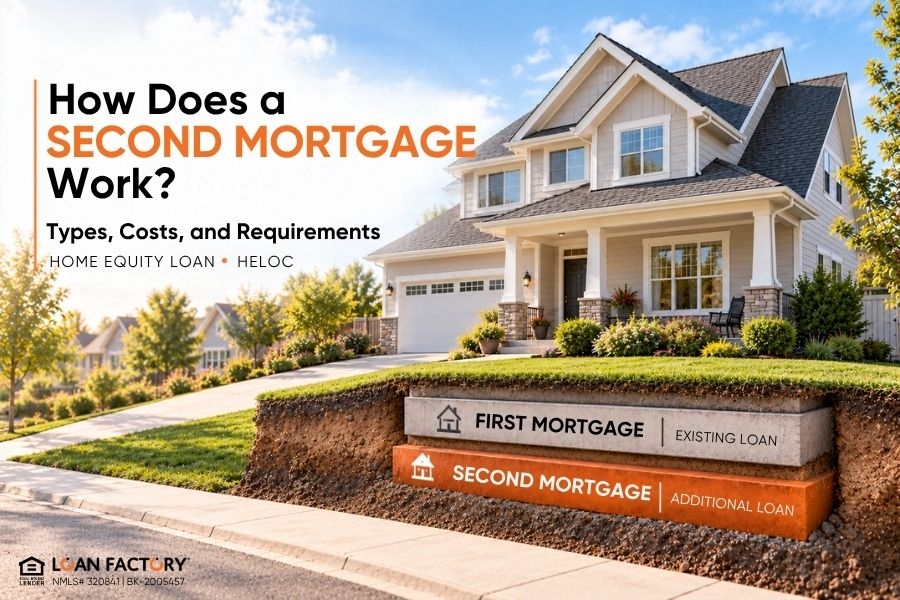
What Types of DPA Programs Are Available? The main DPA program types are grants, forgivable loans, deferred-payment second mortgages, and repayable second mortgages. Programs offering similar assistance amounts can create very different long-term obligations, so buyers should review the structure—not only the advertised benefit.
DPA program type
How it generally works
Potential obligation
Grant Provides eligible purchase funds Usually no repayment if conditions are met Forgivable loan Balance may be forgiven over time Early sale or refinance may trigger repayment Deferred second mortgage Payment is postponed Balance may be due after sale, refinance, or payoff Repayable second mortgage Buyer repays assistance Monthly payment may affect qualification Matched-savings program Provider matches eligible savings Contribution and timing rules apply Employer assistance Employer helps with purchase costs Employment or occupancy conditions may apply
Down Payment Grants A down payment grant generally does not require repayment when the buyer satisfies the program’s requirements. Those requirements may include using the property as a primary residence and remaining in the home for a specified period.
A grant may be applied toward:
The required down payment Eligible closing costs Prepaid expenses, when permitted A combination of approved purchase expenses The word “grant” should not be treated as a guarantee that no future obligation exists. Buyers should review occupancy rules, deed restrictions, recapture provisions, and other program documents.
Forgivable DPA Loans A forgivable DPA loan is a second loan whose balance may be reduced or eliminated after the buyer meets specified conditions. Forgiveness may occur gradually each year or after a required ownership and occupancy period.
Selling, refinancing, transferring the property, or moving out early may cause the unforgiven balance to become due.
The forgiveness schedule should be reviewed before closing because two programs may use very different timelines.
→ Read more: Forgivable Loan for First-Time Home Buyers : Free Help or Hidden Conditions?
Deferred-Payment Second Mortgages A deferred-payment second mortgage usually does not require an immediate monthly payment. Repayment may be postponed until the borrower sells, refinances, transfers the property, pays off the first mortgage, or reaches another event listed in the loan documents.
Deferral can reduce the buyer’s immediate monthly obligations. However, it does not eliminate the debt or the lien securing it.
Repayable Second Mortgages A repayable second mortgage requires scheduled repayment, which may include principal, interest, or both. The loan may offer special terms, but its monthly payment can affect debt-to-income calculations and overall affordability.
The first-mortgage lender must review the second loan’s payment, interest rate, term, lien position, and repayment conditions.
Before You Choose a Program: Confirm whether the assistance is a grant or loan, whether it creates a lien, whether interest accrues, and what happens if you sell or refinance.
How Do State Housing DPA Programs Work? State housing DPA programs are commonly offered through housing finance agencies that support affordable homeownership within a particular state. These agencies may combine assistance with approved conventional or government-backed first mortgages and may require participating lenders, education, or counseling.
Fannie Mae identifies housing finance agencies as primary providers of down payment assistance. HFAs may offer grants or Community Seconds and frequently incorporate homeownership education into their programs.
A state housing program may establish:
Household or borrower income limits Maximum home purchase prices Eligible counties or targeted areas Approved first-mortgage products Participating lender requirements Minimum credit standards Homebuyer education requirements Maximum assistance amounts Repayment or forgiveness terms Some state programs are available statewide. Others offer different benefits based on the county, household size, occupation, or whether the property is in a designated area.
HUD also maintains state and local homebuying resources, including directories that may identify county and municipal assistance providers.
Is State Housing DPA Only for First-Time Buyers? No. Some state housing DPA programs require first-time homebuyer status, while others allow eligible repeat buyers. The program may also waive a first-time buyer requirement for properties in targeted areas or for buyers meeting another approved category.
A commonly used definition considers someone a first-time buyer when they have not owned a principal residence during a specified prior period. However, each provider’s published definition controls.
Do not assume that previous homeownership automatically disqualifies you.
How Does Home Loan Down Payment Assistance Work With a Mortgage? Home loan down payment assistance is typically paired with an eligible first mortgage. The borrower must qualify for the mortgage and the DPA program, while the lender verifies that the assistance provider, funding source, lien terms, and repayment structure meet applicable guidelines.
Many DPA programs may be paired with:
Conventional loans FHA loans VA loans USDA loans Housing finance agency mortgage products Compatibility is not automatic. A specific assistance program may work with one mortgage but not another.
CFPB guidance notes that many assistance programs can be combined with regular FHA or conventional financing, while some programs provide subsidized mortgage financing directly.
Fannie Mae Community Seconds funds may be used for all or part of an eligible down payment and closing costs when the subordinate financing meets applicable requirements.
What Happens to the Assistance at Closing? Approved DPA funds are usually sent to the settlement agent and shown on the closing documents. The funds may reduce the buyer’s down payment, eligible closing costs, or final cash-to-close requirement.
The closing package should identify:
The amount of assistance How the funds are applied Whether a second lien is recorded Any monthly payment The interest rate, if applicable The forgiveness schedule Repayment triggers Occupancy requirements Assistance generally cannot create unrestricted cash back to the buyer beyond what the mortgage and DPA guidelines permit.
Who May Qualify for Down Payment Assistance Programs? Eligibility depends on the individual DPA program and first mortgage. Many providers evaluate income, household size, purchase price, property location, occupancy, credit, homebuyer education, and whether the buyer can qualify for an approved mortgage.
Common qualification factors include:
Qualification factor
What the provider may review
Income Borrower income or total household income Household size Number of people who will occupy the home Location State, county, city, or targeted area Purchase price Whether the home is below the program cap Occupancy Whether the home will be a primary residence Credit Program and lender requirements Debt-to-income ratio Ability to manage total monthly obligations First-time buyer status Required by some, but not all, programs Education Approved homebuyer course or counseling Funding Whether program funds are still available
How Do Income Limits Work? Many DPA programs restrict assistance to buyers below a specified income threshold. Limits may depend on area median income, household size, county, property location, or the selected first mortgage.
A provider may count:
Income from mortgage borrowers only Income from all adult household members Current monthly income Projected annual income Overtime, commissions, or bonuses Other income included under program rules A buyer may qualify for the first mortgage but exceed the DPA program’s income limit.
Does the Home Have to Be a Primary Residence? Many down payment assistance programs require the buyer to occupy the property as a primary residence. Second homes and investment properties are commonly ineligible.
Occupancy may also affect forgiveness or repayment. Moving out, renting the property, or transferring ownership before a required period ends may make the assistance due.
Is Homebuyer Education Required? Some DPA programs require buyers to complete an approved education course or counseling session. The course may need to be completed before program approval, before signing a purchase contract, or before closing.
HUD’s housing counseling network provides access to participating agencies and certified counselors who can help consumers prepare for homeownership.
Complete any education requirement early to avoid delaying the transaction.
→ Read more: How to Calculate Debt-to-Income Ratio for Mortgage Approval
How Much Assistance Can a DPA Program Provide? The assistance amount varies by program and may be calculated as a fixed dollar benefit, a percentage of the home price, a percentage of the first mortgage, or the amount needed to cover eligible transaction costs.
There is no universal maximum for all DPA programs.
Program design
How the benefit may be determined
Fixed amount Program provides up to a stated dollar cap Purchase-price percentage Assistance is based on the home price First-loan percentage Benefit is based on the mortgage amount Needs-based award Limited to eligible cash-to-close needs Matched savings Based on the buyer’s approved contribution Layered assistance Combines compatible funding sources
The maximum published benefit is not automatically the amount a buyer will receive.
The final assistance may be limited by:
Actual down payment requirements Eligible closing costs Program funding Income or purchase-price limits First-mortgage guidelines Minimum buyer contribution Combined loan-to-value requirements Can DPA Programs Pay Closing Costs? Yes, many down payment assistance programs may cover eligible closing costs as well as the down payment. The allowed uses depend on the provider, first mortgage, transaction costs, and applicable investor requirements.
Eligible costs may include:
Lender charges Title and settlement services Appraisal costs Recording fees Prepaid interest Homeowners insurance Property-tax deposits Initial escrow funding Fannie Mae states that eligible down payment and closing-cost assistance can help borrowers address both major upfront barriers to homeownership.
Assistance funds are generally limited to eligible transaction costs. Unused money may need to be reduced, returned, or handled according to the program rules.
How Do You Find Down Payment Assistance Programs? Start by identifying programs connected to the state, county, or city where you plan to purchase. A mortgage professional, state housing finance agency, local housing department, or HUD-participating housing counselor may help locate potential options.
CFPB states that many states and local organizations offer assistance with down payments or closing costs. It recommends contacting a HUD-approved housing counseling agency to locate programs in a buyer’s area.
Search through:
Your state housing finance agency City and county housing departments HUD homebuying resources Participating mortgage lenders HUD-participating housing counselors Employer housing programs Nonprofit housing organizations Freddie Mac’s DPA One consolidates program information for housing professionals and helps lenders identify and match borrowers with potential assistance programs.
Not sure which DPA programs may be compatible with your mortgage options? Compare mortgage options or call or text (660) 333-3333 to discuss your homebuying goals with a Loan Factory mortgage professional.
How Do You Apply for a DPA Program? Applying for a DPA program usually requires a mortgage review, a separate assistance application, income and asset documentation, and confirmation that the property and first mortgage are eligible. Starting early can prevent funding or compatibility problems late in the purchase.
1. Complete an Initial Mortgage Review A lender may review:
Income and employment Credit profile Monthly debts Available assets Gift funds Estimated purchase price Property type Occupancy This review helps identify first-mortgage options that may work with available DPA programs.
2. Confirm Program Eligibility Compare the buyer’s profile with the program’s requirements.
Check:
Income limits First-time buyer rules Property location Purchase-price limits Credit requirements Approved lenders Education requirements Funding availability 3. Submit the Program Application The application may be submitted through:
The mortgage lender A housing finance agency A local housing department An approved nonprofit An employer A participating counselor Submit complete and current documents. Missing information can delay both the mortgage and DPA reviews.
4. Complete Required Education Finish homebuyer education or counseling before the stated deadline.
Keep the completion certificate because the lender or DPA provider may require it before final approval.
5. Reserve the Assistance Funds Ask when the program considers funds reserved.
A preliminary eligibility review is not the same as a funding commitment.
Confirm:
Reservation expiration date Required closing timeline Final approval conditions Property requirements Remaining documents 6. Review the Closing Terms Before signing, verify the first mortgage and DPA terms together.
Pay close attention to:
Final cash to close Assistance amount Second-mortgage balance Monthly payment Interest accrual Forgiveness schedule Sale and refinance restrictions Occupancy conditions What Documents Are Commonly Required? DPA applicants usually need standard mortgage documents plus additional records required by the assistance provider. The program may also request information from household members who are not borrowers on the first mortgage.
Common documents include:
Government-issued identification Recent pay statements W-2 forms Tax returns, when required Bank and investment statements Employment verification Purchase agreement Property address Homebuyer education certificate Gift letters Evidence of transferred funds Household-member information Explanations for large deposits DPA application forms Document category
Purpose
Income documents Verify earnings and income limits Asset statements Confirm funds and buyer contribution Household records Determine household size and income Purchase contract Verify price and property Education certificate Confirm completion of program requirements Gift documentation Verify the source and transfer of funds
Avoid moving large amounts of money without keeping documentation. Undisclosed loans, unexplained deposits, or new debts can affect mortgage and DPA eligibility.
Do DPA Programs Have to Be Repaid? Some DPA programs require no repayment, while others create a debt secured by the home. The repayment obligation depends on whether the assistance is a grant, forgivable loan, deferred second mortgage, or repayable second loan.
Repayment may be triggered by:
Selling the home Refinancing the first mortgage Paying off the first mortgage Transferring ownership Moving out of the property Converting the home to a rental Reaching the end of a deferral period How Can DPA Affect a Future Refinance? A recorded DPA lien may need to be paid off, resubordinated, or otherwise approved before refinancing.
Some providers allow the assistance to remain in place. Others require repayment when the first mortgage is replaced.
Buyers who expect to refinance should review the provider’s subordination and payoff rules before accepting assistance.
What to Compare: A larger DPA award is not automatically more favorable. A smaller grant may create less long-term cost than a larger interest-bearing second mortgage.
How Does DPA Affect Monthly Mortgage Costs? DPA may reduce upfront cash needs, but the first mortgage and assistance structure can affect monthly expenses. A repayable second loan adds another payment, while reduced upfront costs may be paired with different pricing or mortgage-insurance expenses.
Compare the complete housing structure:
First-mortgage principal and interest Second-mortgage payment Mortgage insurance Property taxes Homeowners insurance Association dues Other required housing costs CFPB advises buyers to compare multiple mortgage choices because low-down-payment options can involve increased costs.
A program should not be evaluated only by how much money it provides at closing.
DPA Programs vs. Other Down Payment Options DPA programs provide a separate source of funds, while low- and no-down-payment loans reduce the contribution required by the first mortgage. Gift funds and personal savings are additional funding sources that may be used when the selected mortgage permits them.
Down payment option
Main benefit
Important consideration
DPA program Provides eligible purchase funds Repayment or occupancy terms may apply Low-down-payment loan Reduces required buyer contribution Mortgage insurance may apply VA or USDA financing May allow no down payment for eligible buyers Program eligibility and fees apply Gift funds May supplement buyer funds Donor and documentation rules apply Personal savings No third-party program obligation May reduce emergency reserves Community Seconds Structured subordinate financing Second lien and program rules apply
Fannie Mae HomeReady permits eligible funding sources that may include gifts, grants, and Community Seconds.
The most suitable structure depends on total cash to close, monthly costs, repayment obligations, and the buyer’s post-closing reserves.
→ Read more: How can you buy a house with no down payment?
What Mistakes Should Buyers Avoid? The most common DPA mistakes are assuming all assistance is free, applying too late, and relying on funds before they are reserved. Buyers should also compare the complete mortgage structure rather than selecting the program with the largest advertised award.
Avoid these mistakes:
Assuming every DPA program is a grant Waiting until shortly before closing Ignoring funding availability Using an incompatible mortgage Overlooking income calculations Missing the reservation deadline Ignoring repayment triggers Comparing only the assistance amount How Loan Factory Helps Loan Factory helps homebuyers compare first-mortgage options and review whether available down payment assistance programs may fit the proposed purchase. A licensed Loan Officer can explain potential program compatibility, documentation requirements, cash to close, and repayment considerations.
Depending on your circumstances, Loan Factory may help you:
Review potential DPA eligibility factors Compare conventional and government-backed mortgages Identify state or local assistance considerations Estimate down payment and cash to close Understand grants and second-mortgage structures Review mortgage insurance and program fees Prepare income, asset, and gift documentation Coordinate first-mortgage and DPA requirements Use TERA-supported tools for pricing, documents, communication, and loan progress Loan Factory does not control third-party program funding and cannot guarantee that assistance will be available or approved.
To review home loan down payment assistance alongside potential first-mortgage options, compare mortgage options or call or text (660) 333-3333.
When you are ready to provide your financial and property information, you may apply online . Mortgage and assistance eligibility remain subject to documentation, underwriting, provider requirements, and funding availability.
Conclusion Down payment assistance programs can help eligible buyers cover part of the down payment, closing costs, or both. Programs may be structured as grants, forgivable loans, deferred second mortgages, or repayable loans.
The right DPA program depends on eligibility, funding, first-mortgage compatibility, repayment terms, and the total cost of the transaction. Review the full program documents before relying on assistance.
To compare potential DPA-supported mortgage options for your home purchase, compare mortgage options or call or text (660) 333-3333.
Experience Note The comparisons and application steps in this article reflect common down payment assistance, first-mortgage, documentation, and underwriting considerations.
They do not represent a specific Loan Factory borrower, assistance award, program approval, closed loan, or customer outcome.
Sources Consumer Financial Protection Bureau guidance on down payment sources, special mortgage programs, and state or local homebuyer assistance. U.S. Department of Housing and Urban Development resources for state homebuying programs and participating housing counseling agencies. Fannie Mae guidance on down payment assistance, Community Seconds, HFA programs, and eligible funding sources. Freddie Mac information about DPA One and resources for housing finance agencies and assistance providers. About the Author Loan Factory Mortgage Education Team
Loan Factory is a technology-powered mortgage platform helping borrowers compare mortgage options through a broad wholesale lender network.
The Loan Factory Mortgage Education Team helps homebuyers understand down payment assistance programs, state housing DPA, grants, second mortgages, eligibility requirements, and application steps.
Disclaimer: This content is for educational and informational purposes only and is not financial, tax, legal, credit, accounting, or housing-counseling advice, a commitment to lend, or a guarantee of approval or assistance. DPA funding, income limits, repayment terms, mortgage costs, property requirements, and eligibility vary by borrower, lender, provider, location, underwriting, and investor guidelines.
Frequently Asked Questions